Digital Challenge in Timișoara (22–24 October 2025): three days of hands-on learning, mentorship, and regional collaboration under Erasmus+
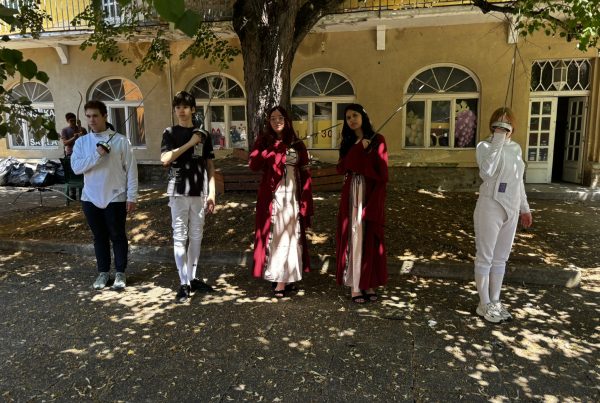
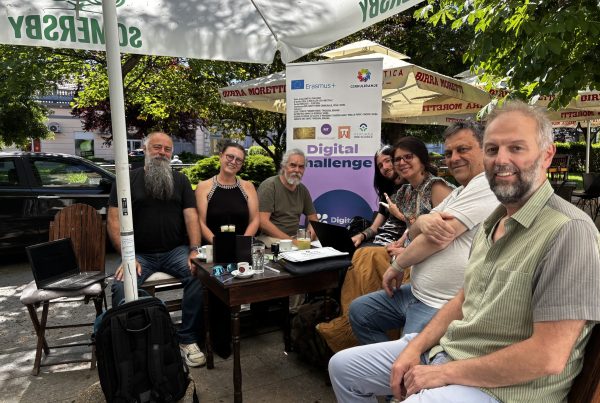
From October 22 to 24, 2025, as part of the official Erasmus+ Digital Challenge programme, a three-day activity was held in Timișoara at the Grigore Moisil High School, known for its strong tradition in developing talented students in ICT and natural sciences. Upon arrival, students from Serbia had time to explore the city and connect informally with hosts, establishing a warm and collaborative atmosphere ahead of the working programme.
Hands-on learning and strengthening methodology
The purpose of the activity was to test and enhance the project methodology through practical work and peer-to-peer mentorship, create materials for future phases, and strengthen the network of young STEM mentors from Serbia and Romania.
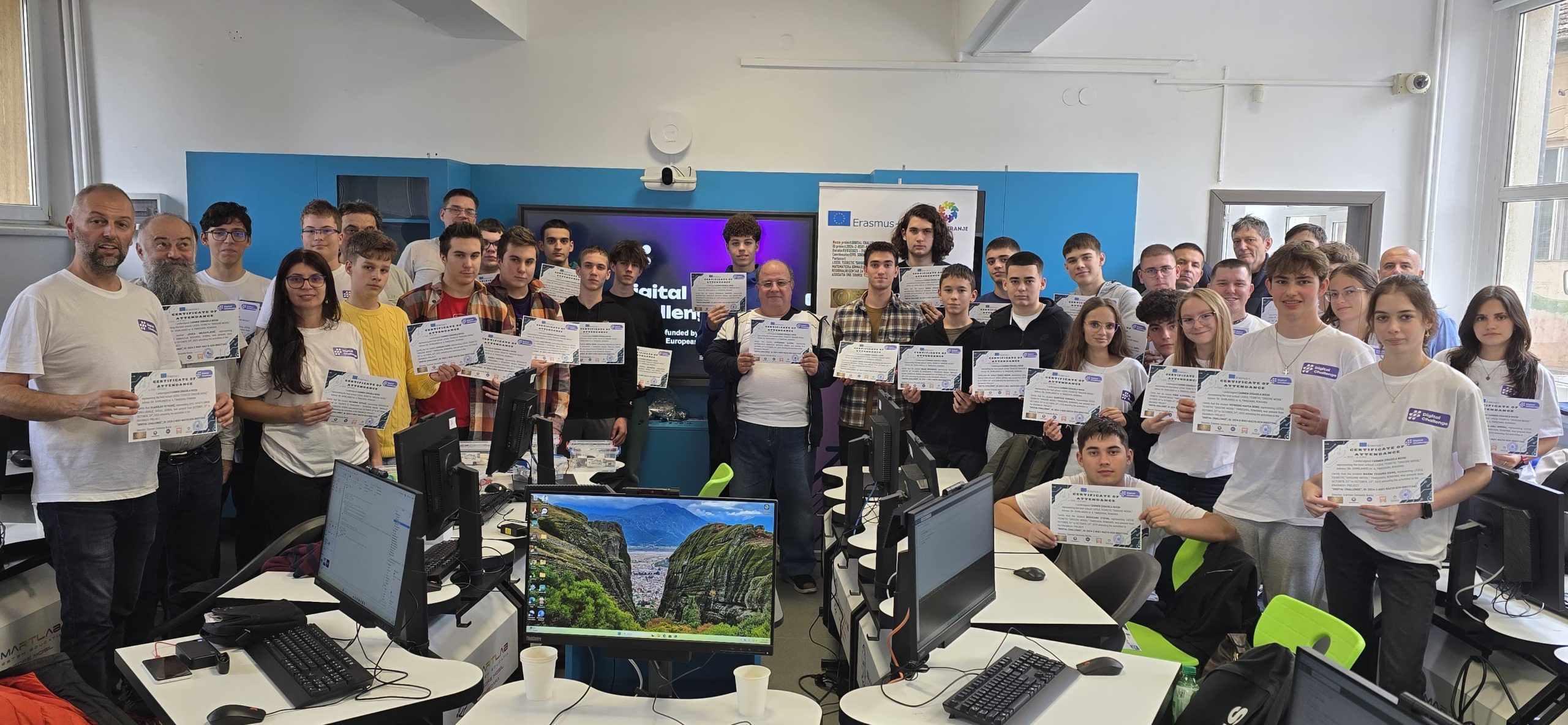
The Serbian delegation included students from six high schools, accompanied by mentors Milan Surla and Slobodan Tršek from the Mihajlo Pupin Regional Talent Center in Pančevo. Activities in Romania were coordinated by Silca Ivascu Iliți and Oana Suzana Marinescu, exceptional professionals and hosts.
Mixed teams and real-world tech problem-solving
Mixed Serbian-Romanian student teams worked on Arduino, electronics, programming, Processing visualisation, and real-world-inspired tech prototyping tasks. When technical challenges arose — particularly around hardware communication and component setup — expert support from Alex Sabo (Asociatia One Source) played an important role in ensuring smooth progress.
Some exercises were intentionally left for the continuation phase to maintain momentum and learning flow.
Learning from the Moisil model and rising young leaders
Students explored the entire Moisil educational pathway — from early childhood programmes to specialised STEM high school tracks — experiencing firsthand the benefits of a long-term, structured approach to supporting youth talent.
A particularly positive outcome was the significant increase in participation of girls, showing progress toward the project’s key goal of supporting more young women in STEM fields.
Next steps and project momentum
Throughout the stay, students worked intensively, socialised, explored the city and showed strong motivation for future phases. The peer-mentoring model proved successful, with experienced participants taking on leadership roles and guiding newcomers.
Agreed next steps:
- 6 December — continuation in Pančevo
- March 2026 — final hackathon in Belgrade
This activity exceeded expectations — Digital Challenge reaffirmed its role as a bridge between education systems, young innovators and regional communities, and as a model for developing future leaders who transform how STEAM education and collaboration look in our region.