Digital Challenge in Pančevo and Vršac: Successful Project Completion and a Look Ahead
The final coordination, evaluation and dissemination activity of the Digital Challenge project was held on May 27 and 28, 2026 in Pančevo and Vršac, organized by the Regional Center for Talents Pančevo and Cirkuliranje.
The final partner meeting brought together representatives of partner organizations from Serbia and Romania to analyze achieved results, summarize experiences and define the next steps for continued cooperation after the formal completion of the project.
Although the final phase of the project was marked by a very intensive schedule of activities, the meetings in Pančevo and Vršac were used for direct exchange of experiences, final evaluation and discussion on how the project results can remain available to schools, mentors, students and other interested stakeholders.
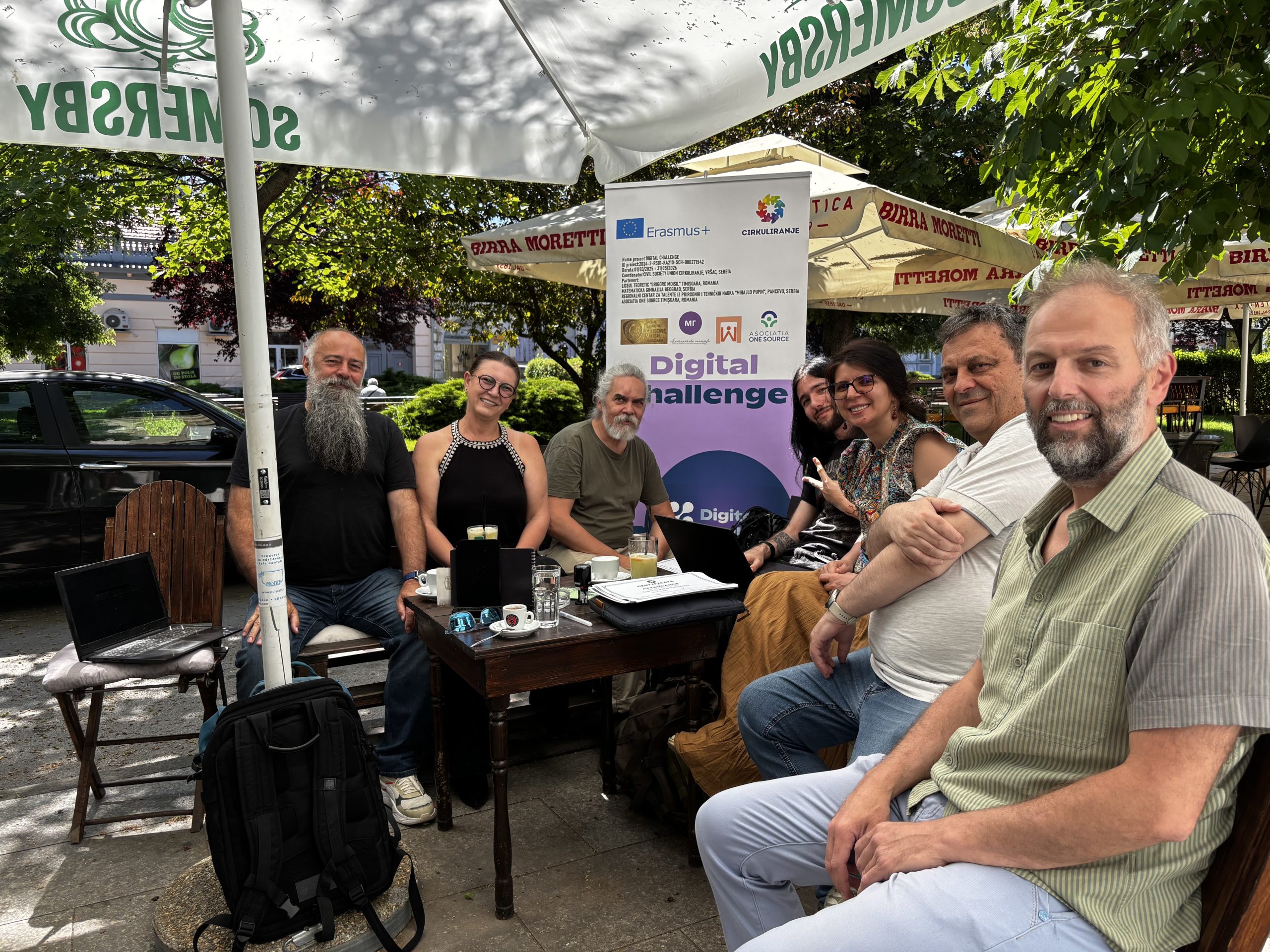
Partners of the Digital Challenge project during the final activity in Pančevo and Vršac and Vršac
Results that exceeded initial expectations
During the meetings, partners reviewed the complete course of the project, including preparatory meetings, educational workshops, peer learning activities, hackathons, mentoring work, development of educational materials and dissemination of results.
It was confirmed that all planned project goals had been successfully achieved, while some results significantly exceeded initial expectations.
A particularly important result is the development of the junior mentor network. While the project originally planned to include and train 10 junior mentors, project activities educated and actively involved 15 qualified young mentors who will continue to share their knowledge and experience with their peers.
This result confirms that the project methodology made a concrete contribution to the development of young people, especially in the fields of digital competences, teamwork, mentoring and practical application of knowledge.
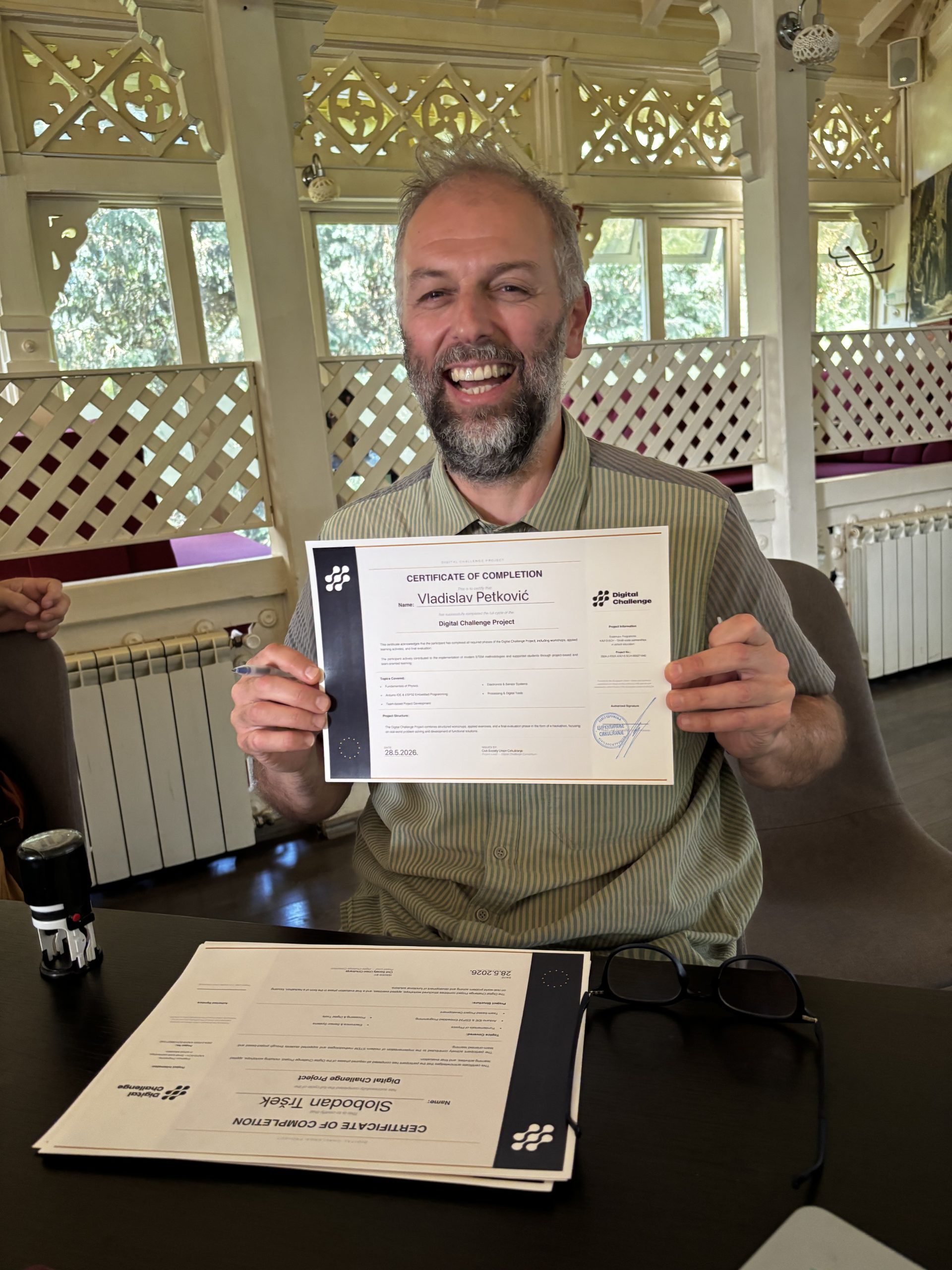
Participant in the Digital Challenge final activity holding a Certificate of Completion
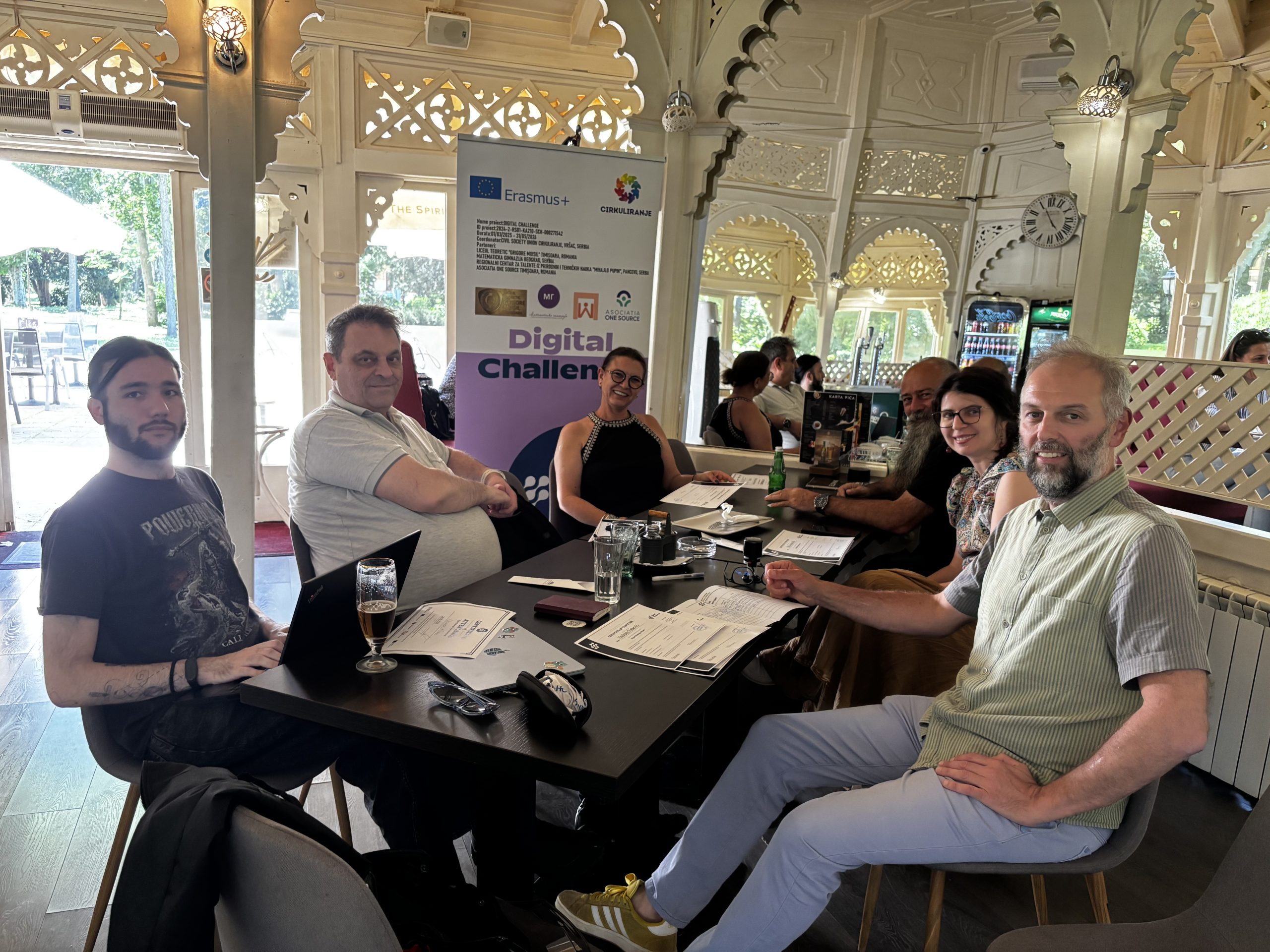
Partner meeting of the Digital Challenge project during the final activity in Pančevo and Vršac
Educational materials and certificates for participants
A significant result was also achieved in the development of educational and methodological materials. During the project, approximately 50% more materials were prepared than originally planned, which will also be visible in the final project report.
These resources will provide an important basis for future activities in the areas of digital education, artificial intelligence, cyber security, programming and the development of practical technology skills.
Partners also reviewed the proposed final set of educational materials, exchanged recommendations for their further use and discussed opportunities to apply the project results in new school, mentoring and international activities.
Special attention was given to the certificates earned by participants during the project. In addition to standard certificates of participation, partners agreed on the introduction of a Certificate of Completion for participants who completed the full cycle of project activities.
Since Digital Challenge was implemented within the Erasmus+ programme, these certificates represent added value and important recognition for young participants, teachers and mentors who actively contributed to the project implementation.
Dissemination and connection with a real IT environment
During the meeting, it was confirmed that dissemination activities do not end with the project. Partners will continue to promote achieved results through websites, social media, public presentations and direct communication with schools, universities, civil society organizations and other relevant institutions.
Numerous meetings and project presentations held during the previous period showed strong interest in the working methodology and results achieved by the project.
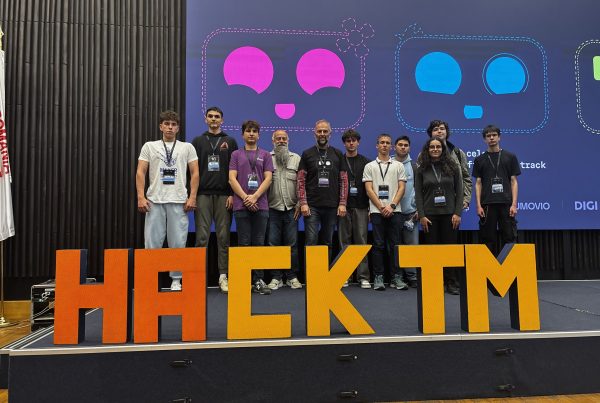
Participation of project participants at the HackTM hackathon in Timișoara was highlighted as an especially important added value. This experience enabled students and mentors to connect directly with the international ICT and startup environment, and to test their knowledge in a real professional context.
Looking ahead
The final meetings in Pančevo and Vršac were an opportunity for partners to look at the broader picture of everything achieved during the project, from the development of new educational content and strengthening of digital competences among students and teachers, through international cooperation and knowledge exchange, to creating concrete opportunities for young people to apply their knowledge in real situations.
Although the project is formally approaching its end, partners agree that this is only the beginning of new initiatives, cooperation and opportunities that will continue to connect young people, education and innovation in the region.
It was confirmed that a proposal for the continuation of the project has already been submitted, while additional joint activities and initiatives are planned for the coming period.
The atmosphere during the meetings was positive, constructive and future-oriented. Informal intercultural exchange between participants from Serbia and Romania further strengthened the partnerships developed through the project.
At the end of the final activity, all partners expressed their gratitude to the European Union, the Erasmus+ programme and the Tempus Foundation for their support, guidance and trust throughout the implementation of the project.
Digital Challenge has shown that cooperation between educational institutions, civil society organizations and experts from different fields can create a high-quality environment for developing digital skills and preparing young people for the challenges of the future.